


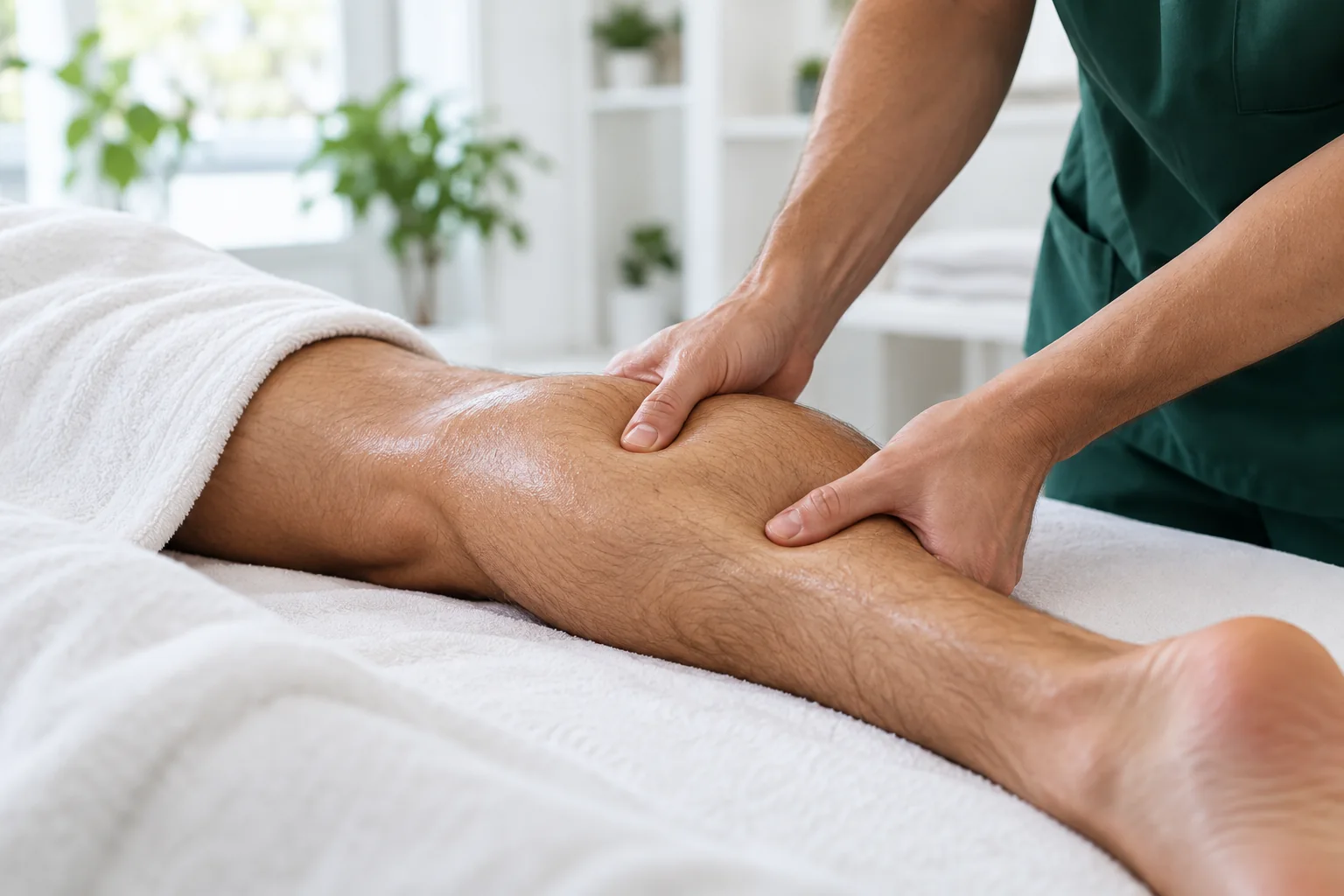
Therapeutic massage and lymphatic drainage have different aims. Understanding symptoms and the cause of any swelling helps guide discussion of an appropriate technique and pressure.
A clear purpose for each session
The discussion may focus on muscle tension, comfort or a sport-related need. Before massage, symptoms, health factors and areas to avoid are reviewed. Pressure is adjusted with your feedback; strong pain is not evidence of a better treatment.
Complementing activity
Massage does not replace injury assessment or rehabilitation. It may complement movement and exercise when useful, without guaranteeing sporting performance or injury prevention. Feedback during and after a session helps adjust the approach.
Precautions matter
Mention medications, skin problems and recent surgery. Sudden swelling, a hot painful limb or an unassessed acute injury needs appropriate evaluation before massage. You can request lighter pressure or stop at any time.
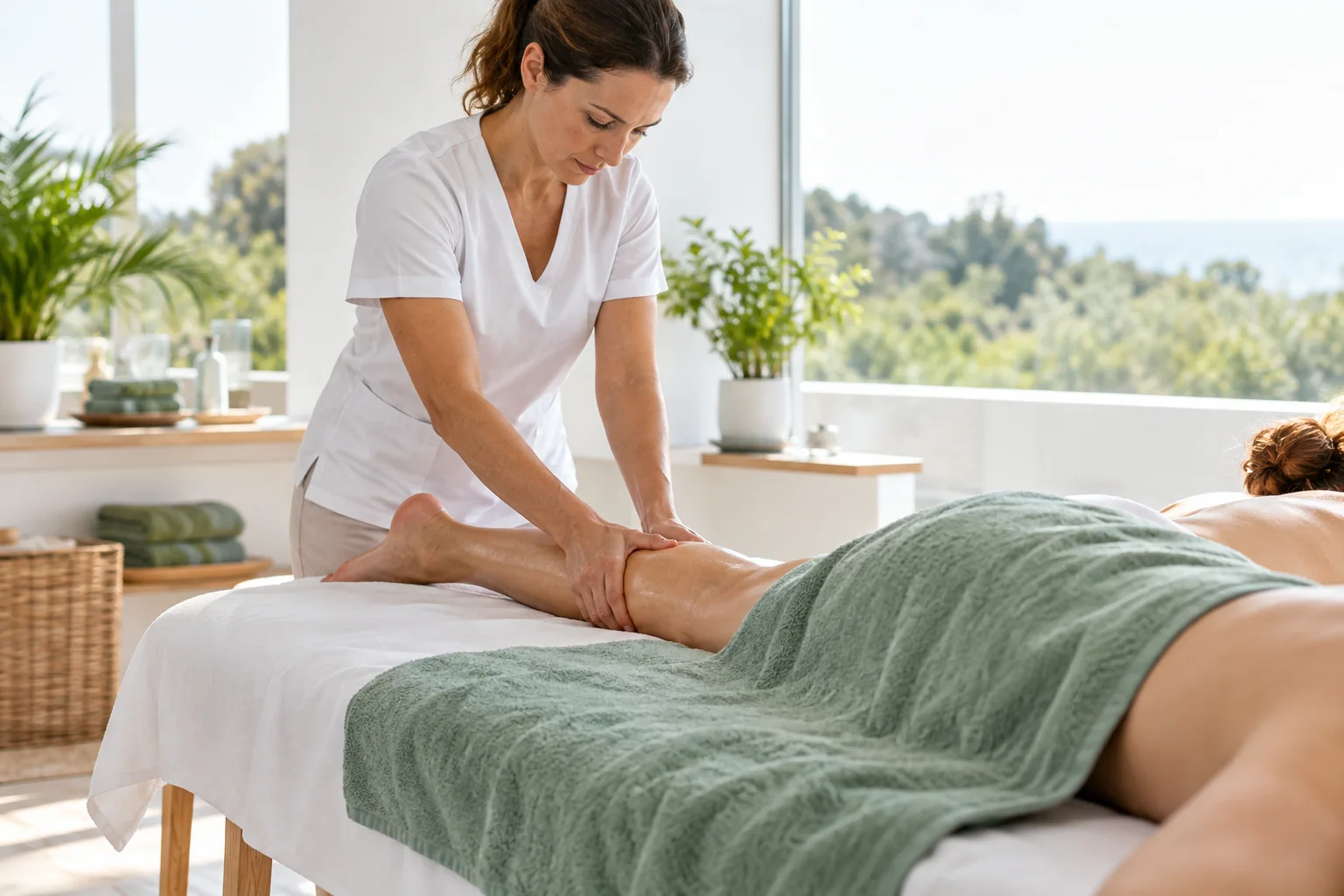
Massage and lymphatic drainage have different aims
Therapeutic massage works on soft tissues with an aim related to symptoms, movement or comfort. Manual lymphatic drainage uses gentle, organised movements in selected swelling-management plans after its cause is assessed. The goal determines the choice; stronger pressure is not automatically more appropriate.
Choosing an area and reviewing change
Explain when discomfort occurs and how it affects sleep, walking or sport. Discuss positioning, treatment areas and pressure. Any comfort gained can be related to appropriate activity and reviewed against practical changes in daily life. Contact the practice to clarify your needs before the session.
