



News
Articles to understand movement and care.
 01
How to prepare for your first physiotherapy visit
For your first assessment, bring relevant documents and identify an activity you want to regain. Explaining your difficulties and questions helps establish understandable…
Read the article 02
Low back pain: finding a way back to movement
With back pain, suitable gradual activity can be discussed instead of prolonged inactivity, while recognising urgent warning signs. No single exercise fits every situation.
Read the article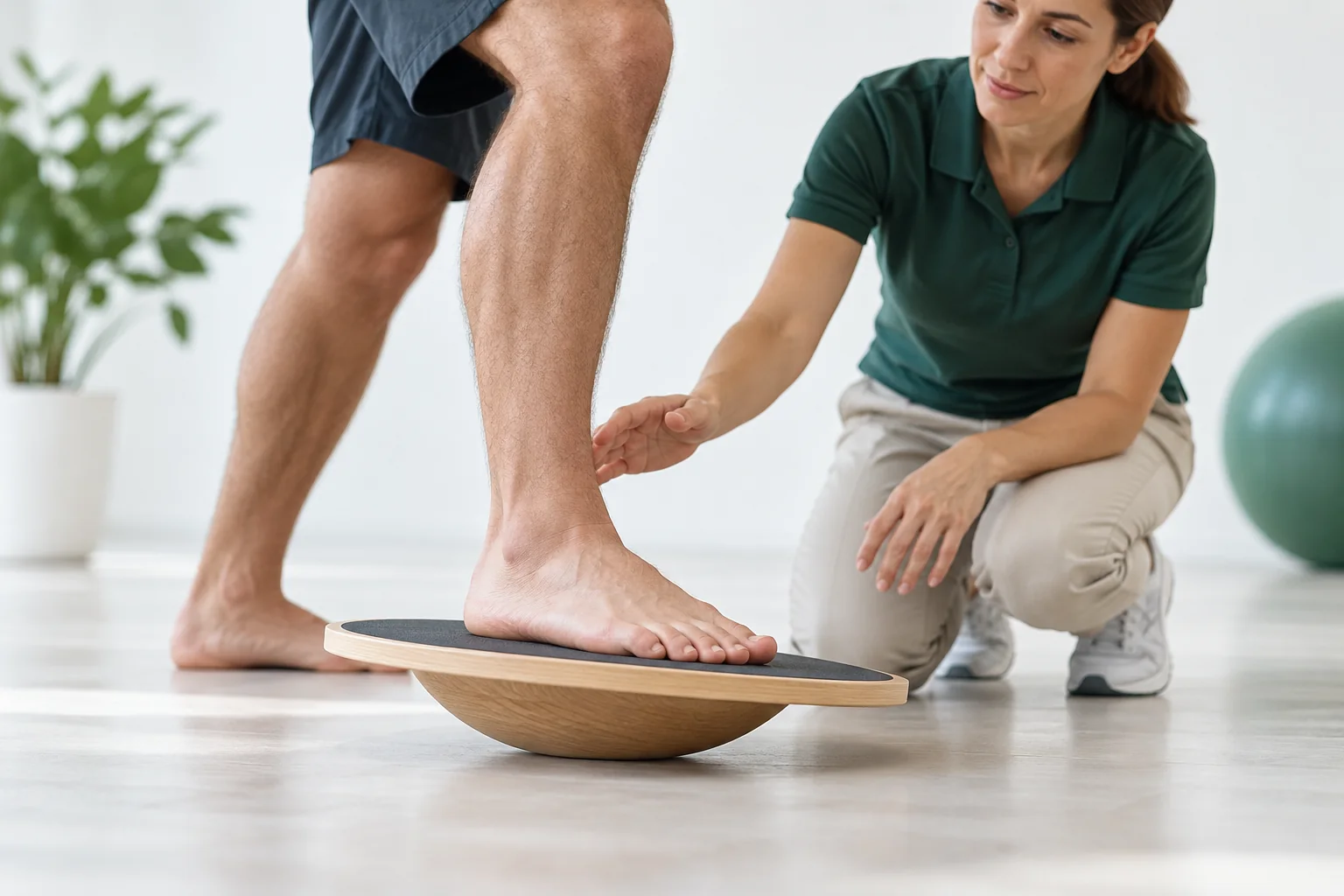 03
Ankle sprain: why a gradual return matters
After an ankle sprain, less swelling alone does not determine readiness to return. Understand the injury, then consider movement, strength, balance and the demands of you…
Read the article 04
Returning to sport after injury: questions that matter
Returning to sport is gradual and considers capacity, demands and activity response, not pain alone. Modified training differs from being ready for a full match.
Read the article 05
Pelvic floor health: why assessment comes first
Leakage or pelvic discomfort does not automatically call for contractions. Symptoms, coordination, relaxation and privacy guide an assessment that respects your consent.
Read the article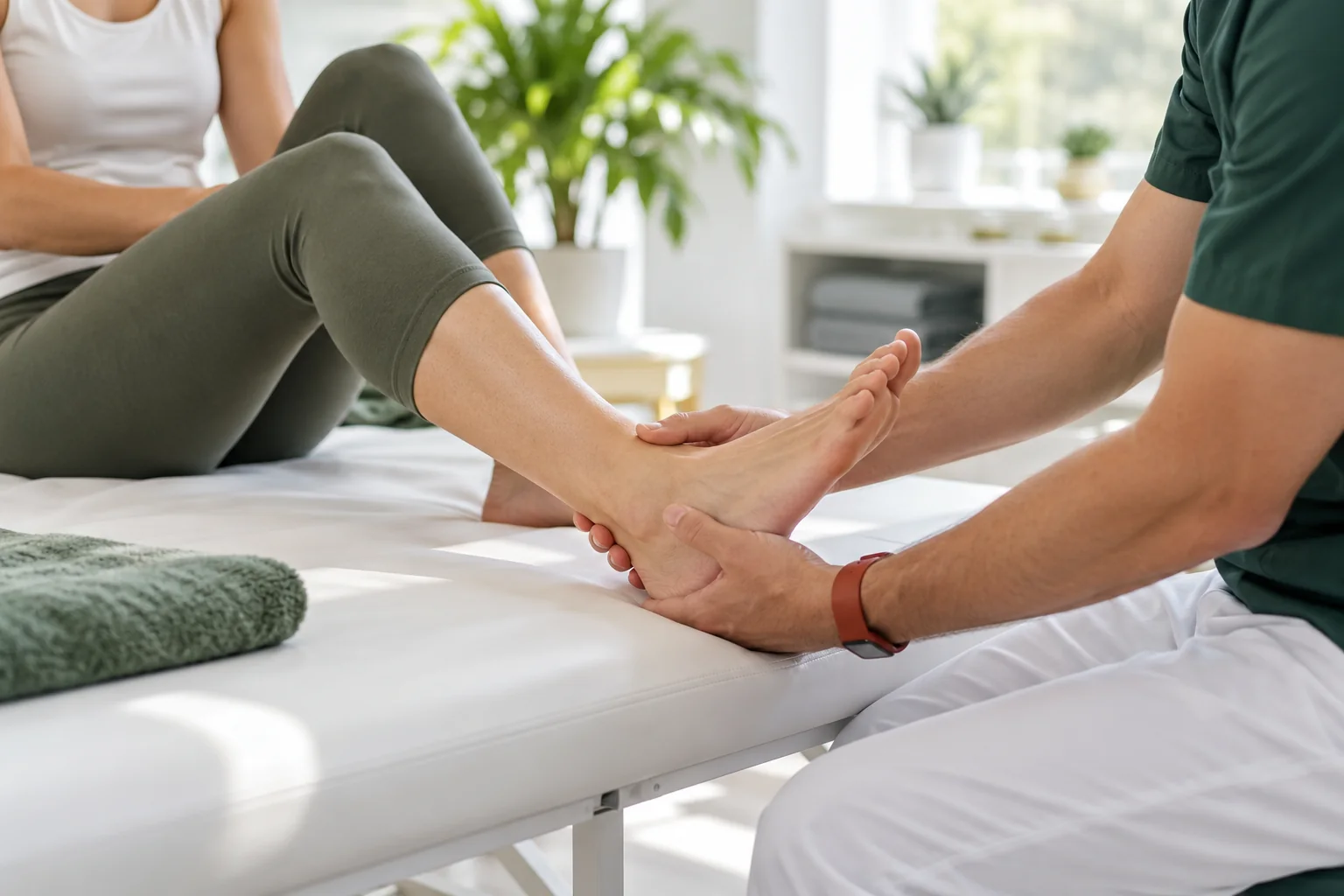 06
Swelling and lymphatic drainage: understand before choosing
Swelling first needs its cause understood. Lymphatic drainage may be part of selected care plans, but it does not treat every swelling or melt fat.
Read the article 07
Cupping: evidence, precautions and questions before a session
Dry cupping differs from forms involving skin incision. Understanding the method, evidence and risks matters more than mark colour, which does not diagnose disease or pro…
Read the article 08
Movement during the working day: building realistic habits
More movement can begin with a small change that fits your day and abilities, then be adjusted to your response. Realistic consistency matters more than a perfect programme.
Read the article 09
Breathing and activity: what to discuss with your clinician
Breathlessness needs context about onset and change from usual, rather than assuming poor fitness. Rehabilitation fits the medical care plan; sudden or severe symptoms ne…
Read the article 10
Body composition: making sense of the numbers
Bioimpedance provides estimates rather than directly measuring every tissue. Interpret numbers through measurement conditions, device limitations and trends rather than a…
Read the article