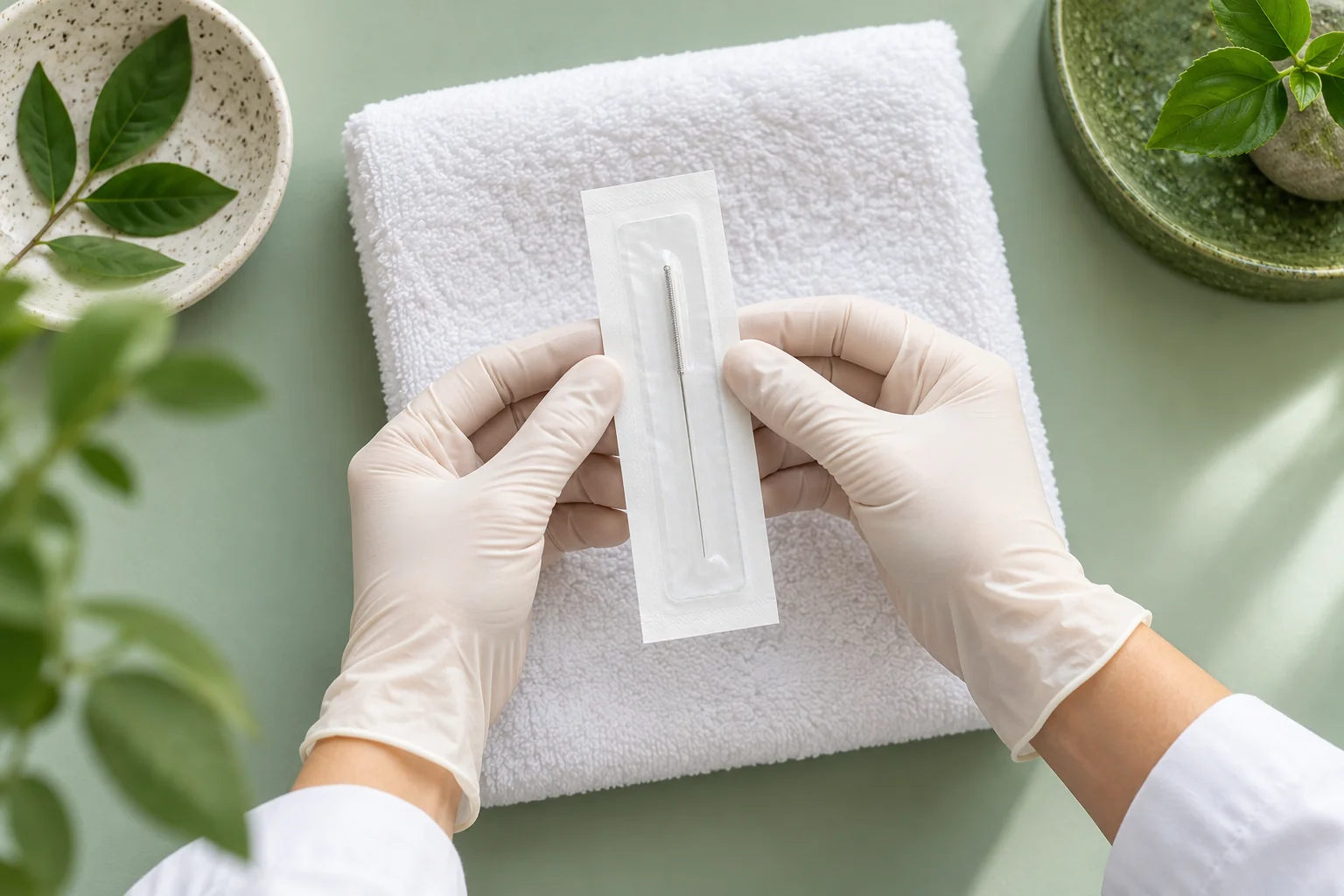




A dry-needle technique considered after individual assessment, with goals, alternatives and risks explained.
What does dry needling mean?
Dry means that no medication is injected through the needle. The purpose and selection of treatment areas differ from traditional acupuncture even though both use fine needles. Similar equipment does not make them the same service.
A decision following assessment
Choice begins with symptoms, function and goals rather than a technique name. The clinician discusses suitability and how needling might fit with exercises or other options. You may request care without needles; needling is not required for every muscle pain problem.
Questions to ask
Ask about appropriate training, area-specific risks, hygiene and alternatives. Mention blood-thinning medication, pregnancy and needle anxiety. Unusual pain or breathlessness after a needle procedure warrants prompt medical assessment rather than being ignored.
Consent includes alternatives
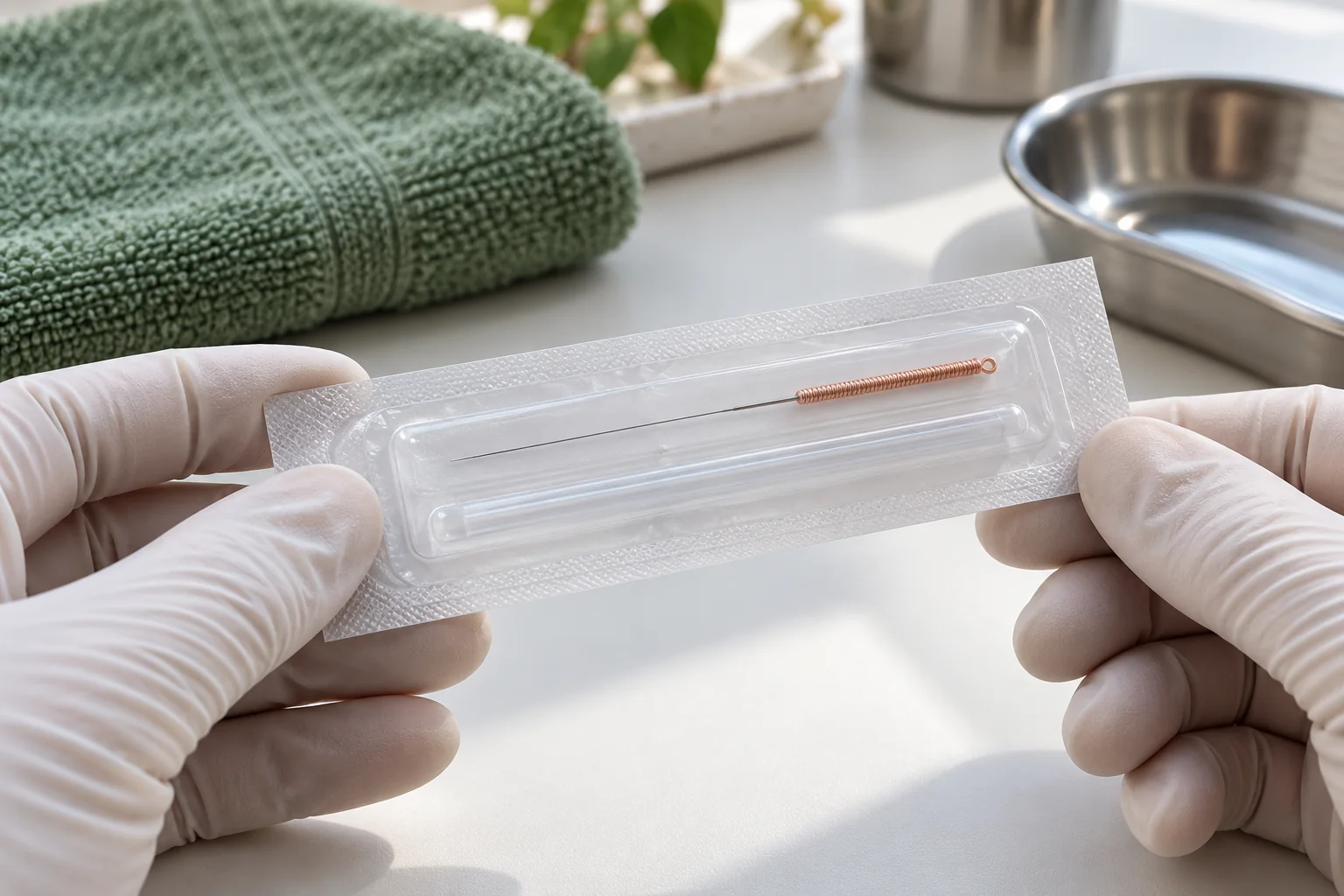
Ask about the aim of dry needling and whether exercise or a needle-free approach is possible. Being listed as a service does not make it compulsory. Area sensitivity, soreness, bruising and any precautions relevant to your circumstances should be discussed beforehand.
Reviewing function, not just sensation
If used, the technique should relate to a clear goal, such as a restricted movement, rather than only a temporary local sensation. Tolerance and appropriate activity are reviewed. Sensation during needling does not determine how many sessions are needed.